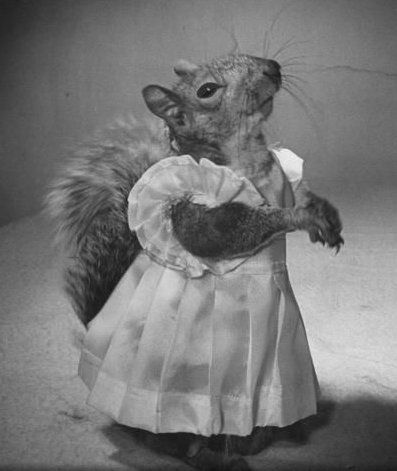
In the early 1940s, a woman in Washington, DC, adopted a squirrel after she found the critter orphaned in a tree. The squirrel, dubbed Tommy Tucker by the family -- of which he soon became a part -- accompanied the lady of the house on shopping trips, visits to the local children's hospital, and the like. She also, it turned out, enjoyed dressing him up in specially made outfits.
Vets at St Tiggywinkles Wildlife Hospital in Aylesbury are trying to establish how and why the male squirrel, who was found in Amersham, lost all his fur.
Bald squirrels are not that uncommon but the hair loss is usually because the animal is suffering from mange, an illness caused by mites.
But vets at St Tiggywinkles, who have nicknamed their new patient Smoothie, have no idea why he is bald, apart from few tufts of fur on his tail. He is undergoing tests and is being kept warm and dry while feasting on his favourite treat of pecan nuts.
Squeaky is a female eastern gray squirrel, now 8 1/2 years old. Squeaky has lived all her life with Carrie Saites - ever since Kacey, Saites' Labrador retriever, found 4-week-old Squeaky and brought her home.
Squeaky maintains much of the character of a wild eastern gray squirrel.
She hides nuts throughout Saites' apartment and "chatters" when she feels threatened. She climbs and jumps from furniture and cracks open nuts with her front teeth.
When you walk into Saites and Squeaky's home, it is any critter's heaven. Playgrounds are set up for Squeaky across the apartment, and stuffed Disney animals are her playmates.
At least five types of foods are prepared in small dishes in at least two spots in the apartment. Macaroni and cheese, sunflower seeds and bread dough are soft enough for the aging squirrel to eat when Saites is at work.
Riptide Rush Gatorade is Squeaky's favorite drink, Saites says.
Some Washingtonians love them. Some hate them. But perhaps the prevailing sentiment toward the city's squirrels is indifference. After all, seeing a gray squirrel rushing around downtown as if he has important places to be is about as unusual as seeing a guy in a charcoal suit doing the same.
But it wasn't always that way.
A little more than a century ago, the District's downtown parks and green spaces didn't have a squirrel population to speak of. Eastern gray squirrels are native to this area, but they had been largely wiped out in the most urban parts of town by the late 19th century because of hunting, which wasn't outlawed in much of the city until 1906.
Looking to fill the squirrel vacuum, nature lovers, government officials and other civic-minded residents in the early 1900s pushed to have areas including Lafayette Square, the U.S. Capitol grounds and the Mall stocked with squirrels.
The organized release of gray squirrels into Washington's parks and green spaces is a little-known chapter in the story of the city's development. Even park historians and scientists who have studied the District's squirrel populations weren't aware of these squirrel-stocking endeavors.
Floodwaters from Fay not only force people from their homes, it put animals on the move as well.
One Altamonte Springs, FL, woman turned her home into a shelter for the animals. She had 150 squirrels in her kitchen. The animals were found in puddles of water after Fay's strong wind forced them from treetops.
"Its fun, it's rewarding just to know that you did your little to help nature out," said animal rescuer Mary Jane Eisner.
Wildlife officials said, as the water went down all sorts of critters, like mice, snakes and alligators, were left behind looking for shelter and the animals were showing up in people's front yards.
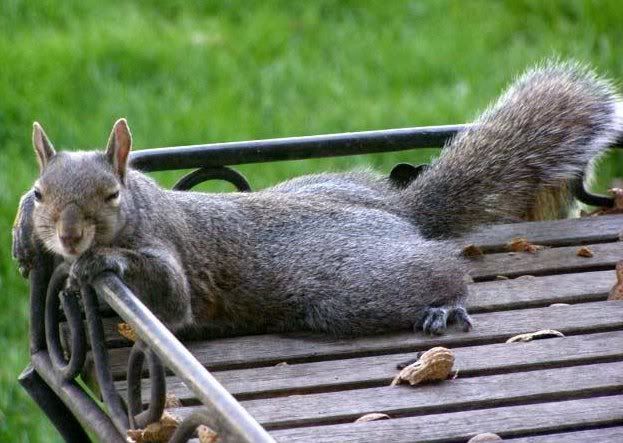
 from EyeFetch, by Marty Maynard
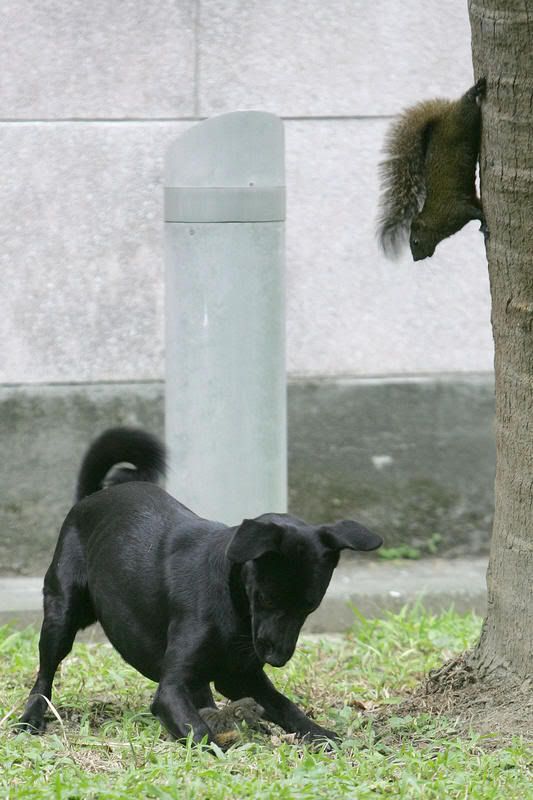
 from Flickr, by brownpau
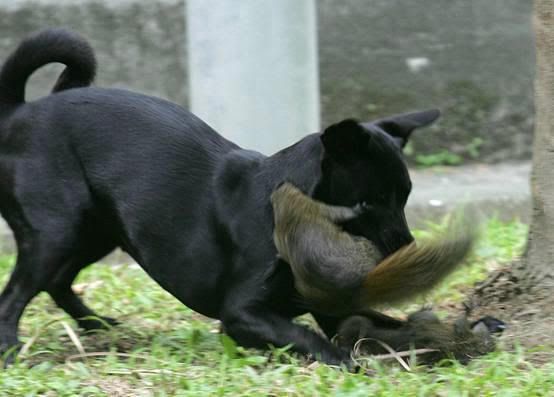
 from Pixdaus, by Hans Peters
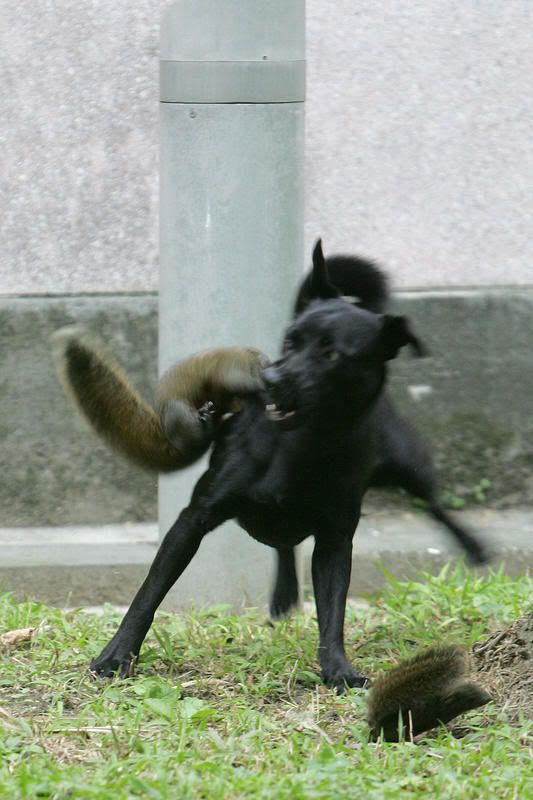
 from Flickr, by peter_r
 Vets at St Tiggywinkles Wildlife Hospital in Aylesbury are trying to establish how and why the male squirrel, who was found in Amersham, lost all his fur.
 Squeaky is a female eastern gray squirrel, now 8 1/2 years old. Squeaky has lived all her life with Carrie Saites - ever since Kacey, Saites' Labrador retriever, found 4-week-old Squeaky and brought her home.
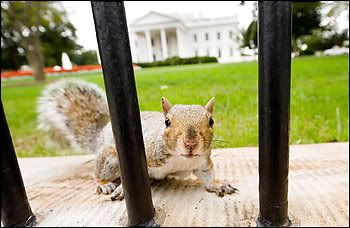 Some Washingtonians love them. Some hate them. But perhaps the prevailing sentiment toward the city's squirrels is indifference. After all, seeing a gray squirrel rushing around downtown as if he has important places to be is about as unusual as seeing a guy in a charcoal suit doing the same.
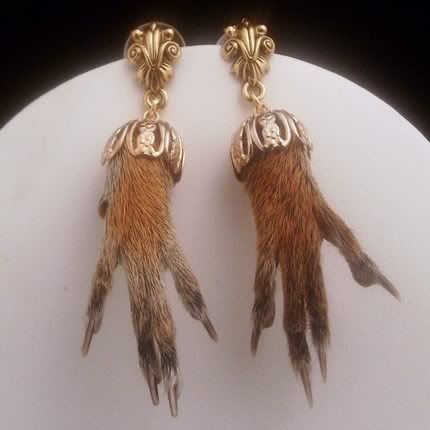 Yup, they're squirrel feet earrings.
 Are you sick and tired of squirrels running naked in the trees around your house?
 Floodwaters from Fay not only force people from their homes, it put animals on the move as well.